

HOKIbank incorporates the Uang Kepeng into its logo as part of the writing of the HOKIbank name. This symbolizes that Uang Kepeng, a historically recognized traditional means of payment, represents the harmonious integration of two cultures bound together, as well as the legacy of trade and monetary circulation as the value exchange for goods and services.
Within every curve and captivating color of the Uang Kepeng logo lies a profound meaning that reflects the Bank’s identity and mission. The circular form, which serves as the foundation of the logo, conveys a sense of completeness and unity.
The striking red color represents passion, courage, and the spirit of transformation. It symbolizes the Bank’s active role in delivering dynamic and innovative solutions, as well as its drive for continuous growth and development.
The yellow color, with its bright radiance, signifies prosperity, cheerfulness, and optimism. It reflects the Bank’s commitment to becoming a trusted partner that brings financial well-being and confidence to its customers.
Blue, in its calm and stable tone, symbolizes trust and professionalism. This color creates an atmosphere of security, reinforcing HOKIbank as a solid and reliable institution at every stage of the financial journey.
The harmonious combination of these three colors forms a cohesive visual narrative that conveys the spirit of transformation, sustainability, and holistic service. The logo stands as a symbol of the Bank’s commitment to providing comprehensive and empowering financial solutions, while upholding trust and engagement in every customer relationship.
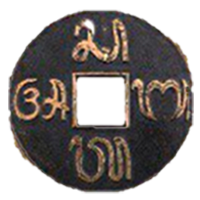 1. Pis Bolong Bali
The history of Pis Bolong dates back to the 19th century, during the Dutch colonial period in Indonesia. Paper money and metal coins began to be widely used as a medium of exchange, replacing the more traditional barter system. Pis Bolong is characterized by a distinctive hole in the center, symbolizing simplicity and abundance in everyday life.
 2. Tian Cheng Yuan Bao (Balingkang)
The history of this Pis Bolong traces back to the 17th century, during the reign of King Dewa Agung Jambe I in Bali. It is believed that the king ordered the creation of a special coin known as Tian Cheng Yuan Bao, which was used as a spiritual offering at Pura Dalem Balingkang.
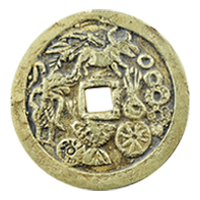 3. Gobog Majapahit
At the height of its glory in the 14th century, the Majapahit Kingdom became a major center of culture and trade in the Indonesian archipelago. To support the rapidly growing economic activities, King Hayam Wuruk decided to introduce a unique currency. This marked the origin of the Pis Bolong known as Gobog Majapahit.
 4. Saraswati
During the era of Hindu-Buddhist kingdoms in Indonesia, Saraswati emerged as a form of currency representing spiritual manifestation and intellectual brilliance. The graceful and wise visage of Goddess Saraswati is intricately engraved, with each detail reflecting her gentleness and wisdom. Every stroke forms a work of art that honors intellectual and spiritual values.
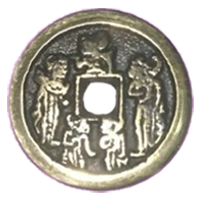 5. Panca Pandawa
During the golden age of Hindu-Buddhist kingdoms in Indonesia, Panca Pandawa emerged as an artistic creation that combines high aesthetic value with profound cultural meaning. The surface of this Uang Kepeng features images of the five Pandava brothers—Dharmawangsa, Bima, Arjuna, Nakula, and Sadewa. This coin is believed to possess mystical powers, symbolizing authority, strength, and wisdom.
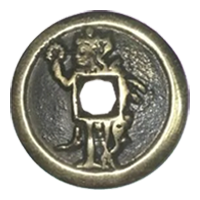 6. Krishna
In the 9th century, during the flourishing era of Hindu-Buddhist kingdoms in Indonesia, Krishna emerged as a manifestation of spirituality and wisdom expressed through the art of coinage. The hole at the center not only enhances its aesthetic value but also symbolizes the connection between the physical world and the spiritual realm. In accordance with Krishna’s role in wayang tradition, this coin serves as a guide toward virtue and wise conduct.
 7. Dewata Nawa Sanga
Pis Bolong Dewata Nawa Sanga emerged during the golden age of Hindu-Buddhist kingdoms. This Pis Bolong depicts the symbol of the divine throne as the seat of the Creator. Furthermore, the eight petals and one central dot of the padma represent the nine deities who preside over the cardinal and intercardinal directions.
 8. Arjuna
During the era of Hindu-Buddhist kingdoms in the Indonesian archipelago, particularly in the 9th century, Arjuna emerged as a coin infused with high artistic craftsmanship. Characterized by its central hole, which enhances its distinctive aesthetic, each Arjuna coin is a work of art that narrates the values of heroism and justice. The image of Arjuna is intricately engraved, portraying the valiant Pandava prince holding his bow and arrows.
 9. Rambut Sedana
Believed to have originated during the Ancient Mataram period, Rambut Sedana became an exclusive currency symbolizing the grandeur and nobility of the kingdom. Distinguished by its central hole, the coin is adorned with delicate engravings that create harmony between artistic expression and spiritual values.
 10. Kasha Banten
Kasha Banten is a form of currency that circulated during the peak of the Banten Sultanate’s prosperity. It served as a faithful witness to economic transactions and decisions that shaped the future of the kingdom and its society. With a design rich in symbolism, each Kasha Banten coin tells a story of commercial success and prosperity in the Banten Sultanate.
 11. Ganesha
Uang Kepeng Ganesha is a coin that emerged during the illustrious era of Hindu-Buddhist kingdoms in Indonesia. Ganesha appears as a symbol of wisdom, knowledge, and good fortune. Its distinctive design, featuring a central hole, not only creates an appealing artistic aesthetic but also conveys profound meaning—representing emptiness filled by divine wisdom.

